An Estonian Summer Interlude

By Dr Elle-Mari Talivee, Under and Tuglas Literature Centre of the Estonian Academy of Sciences

Eestikeelse postituse lugemiseks vajuta siia

Covid-19 has made us rather place-dependent, so I really wanted to make a little trip this summer inside the relatively safe “Baltic bubble”. I had never been to the Nemunas delta in Lithuania, where this great river flows into the Curonian Lagoon. The lagoon is closed by the bow-shaped Curonian Spit, which from Klaipeda, Lithuania reaches out to Kaliningrad Oblast, Russia. For birdwatching, the second half of July is not particularly productive. So, the result was more like a scouting trip to the ringing stations in Lithuania and Latvia, with the idea of returning.
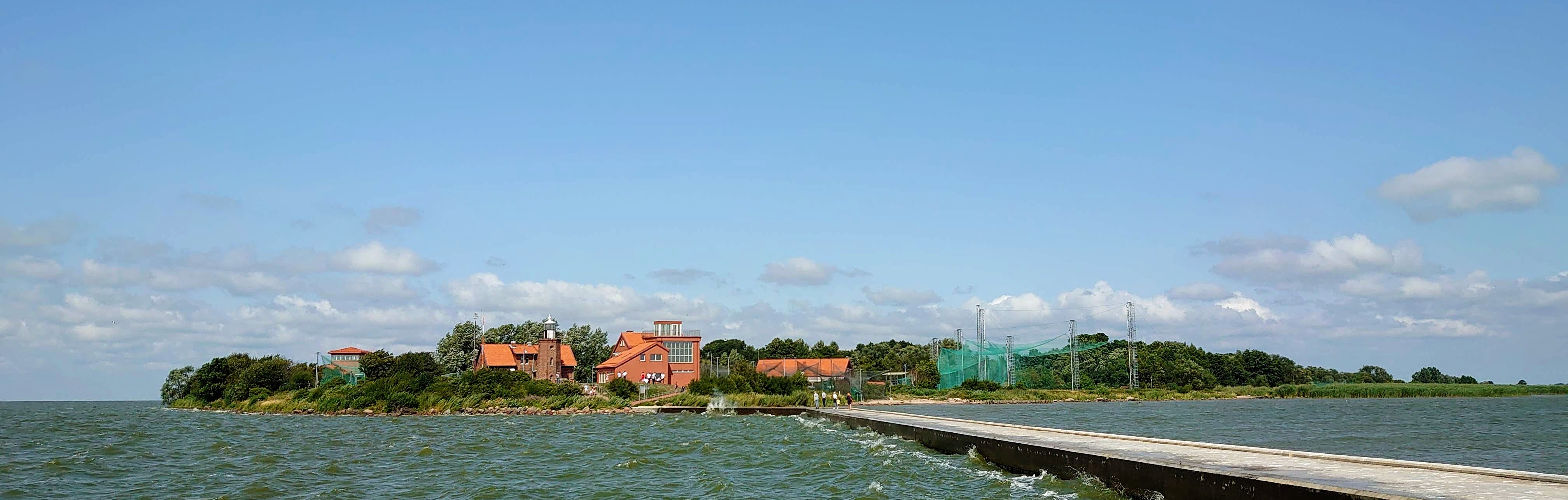
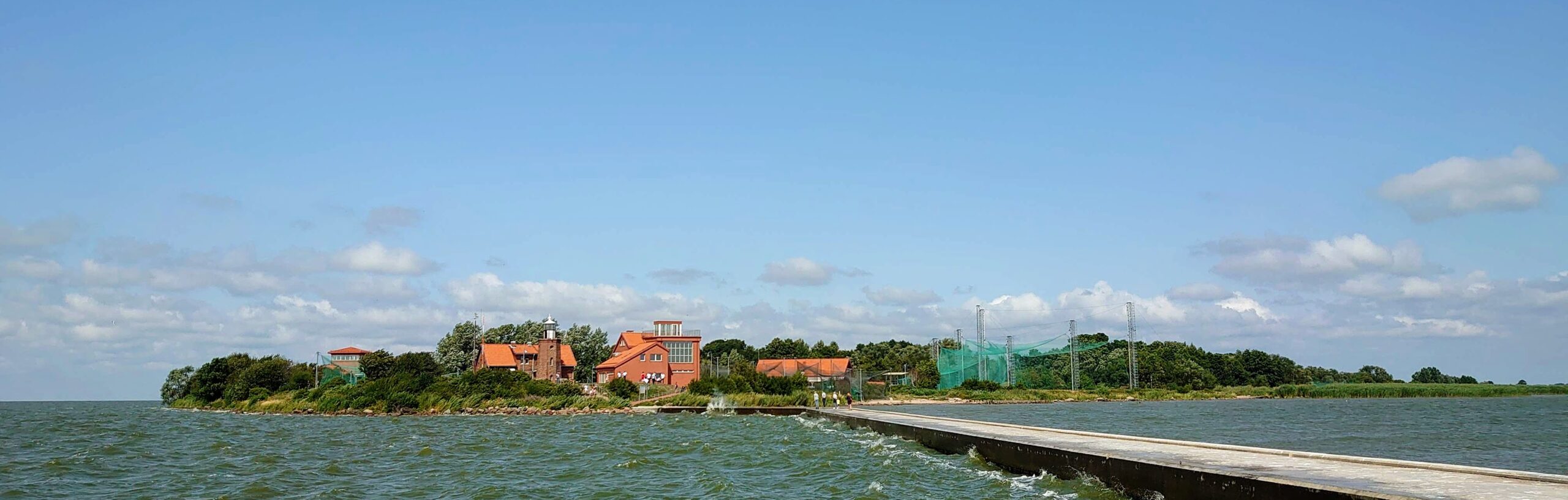
entės Ragas (Ventė Cape) Ornithological Station, with the lighthouse, which was built in 1863, in the foreground
Ventės Ragas (Ventė Cape) Ornithological Station, with the lighthouse, which was built in 1863, in the foreground. (c) Elle-Mari Talivee

The Nemunas delta is a kingdom of migratory birds. Even during dry July it is possible to understand how lively the area must be in spring and autumn. In spring, the meadows are flooded and villages become islands there. In summer, however, everyone can take a boat trip on the tributaries, where alders stand on riverbanks like mangroves. In the reeds, grey herons and great egrets are standing; coots, moorhens and countless ducks feed around them. Cormorants sit on tree branches. On the meadows, cranes and geese get startled by a passer-by, but for only a moment. Harriers fly around like kites. Every household has a nest of white storks. Starlings are gathering in flocks. An information board tells you which kind of wonderful waterbirds stop here in the spring. Autumn, however, is the best time to meet all kinds of little migrants. In Ventė Cape ornithological station,[1] opened in 1929 (recently renovated, it houses a museum as well), you can see the world’s largest bird trap – a giant Heligoland trap that catches thousands and thousands of birds and bats a year to be ringed. The station is working in summer too, in July rather quietly and lazily. Young swallows practise flying tricks and at least in Lithuania, there are lots of them: not only farmhouses but also the ornithological station have countless nests built by house martins and barn swallows under their roofs. 
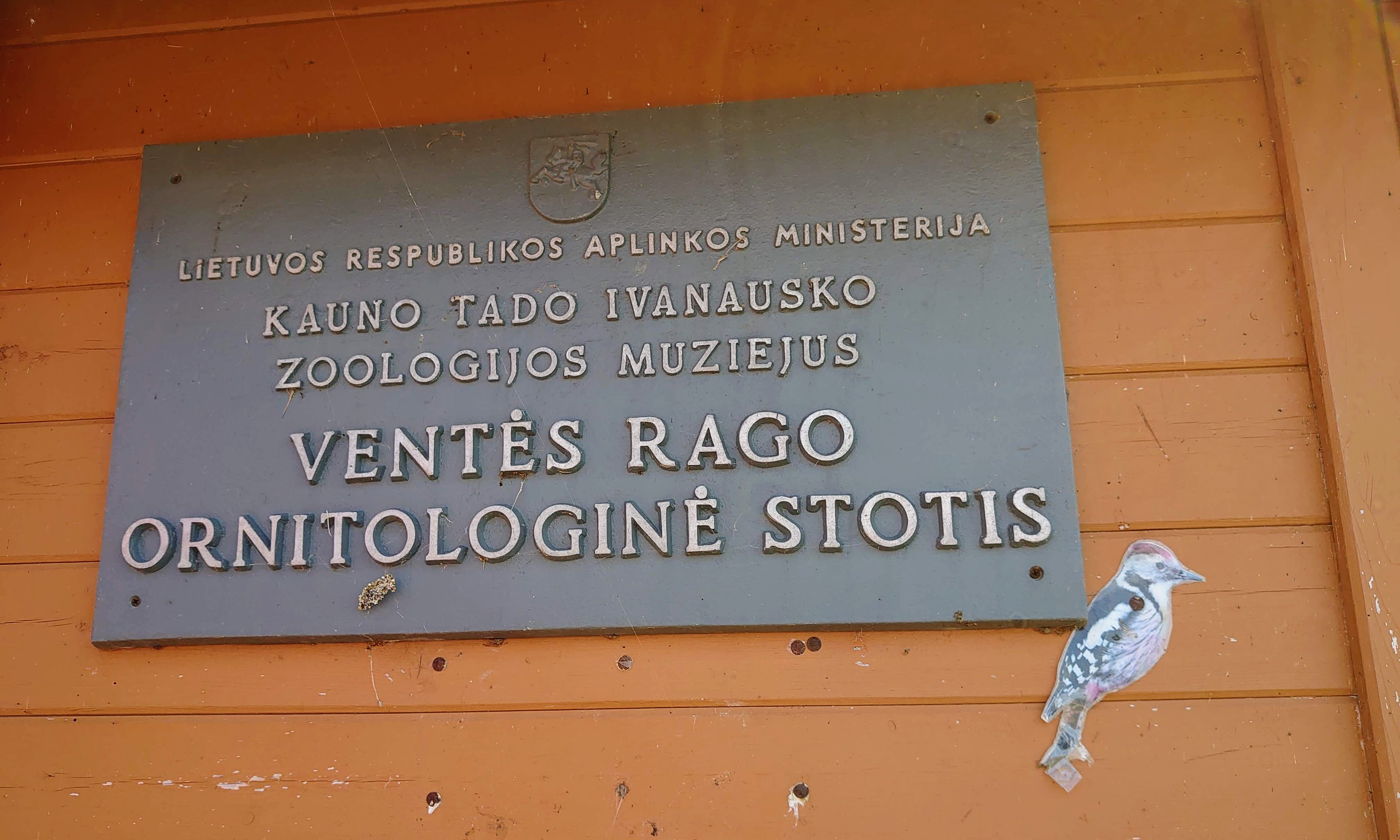
The sign for the Ventė Cape Ornithological Station on a wooden wall with a woodpecker sticker to the bottom right of it.
Ventė Cape Ornithological Station is a branch of a zoological museum founded by the zoologist Tadas Ivanauskas, an educational and research institution in Kaunas, Lithuania (c) Elle-Mari Talivee

Standing in the tower of the tiny lighthouse in Ventė, I suddenly longed for wings of my own: across the Curonian Lagoon, but on the other side of the border, in Kaliningrad Oblast, is the oldest ornithological station in the world, Vogelwarte Rossitten, now known as Biological Station Rybachy.[2] It was founded in 1901 by the German ornithologist and pastor Johannes Thienemann. It is not possible to get over there because of Covid-19 restrictions.
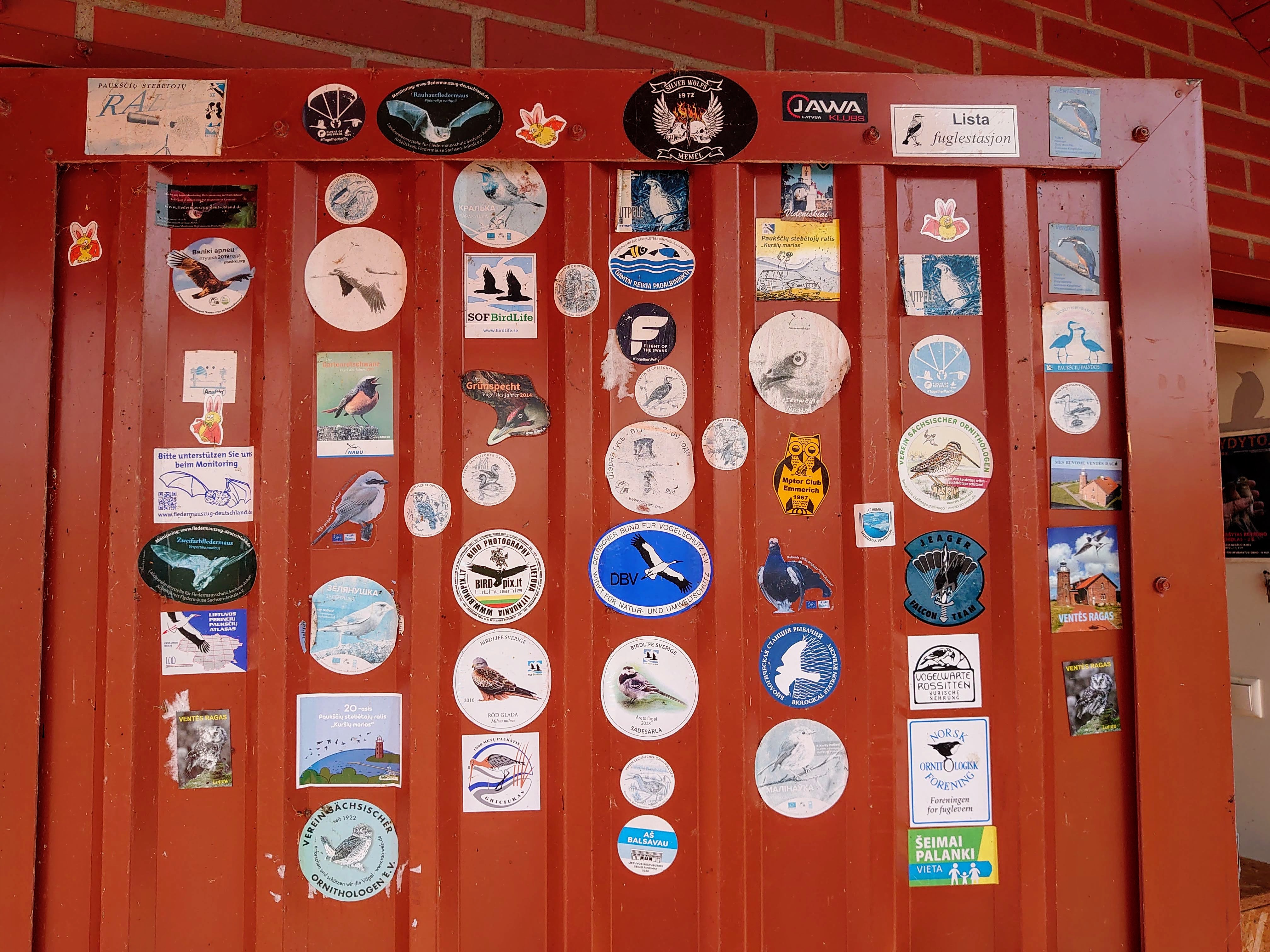
A door at the Ventė Cape Ornithological  Station with stickers pasted on it by many birders who have visited.
Birders from other countries have left their logos on the station´s door. I promised to bring the one of the Estonian Birdlife next time I visit. (c) Elle-Mari Talivee

On the Lithuanian side of the Curonian Spit, in Neringa, there is another smaller bird station where birds are caught in autumn.[3] And a little further north, in Latvia, is the Pape ornithological station, opened in 1966.[4] In Pape, Latvian ornithologists first used mist nets to catch birds, then the station received a bigger trap as a gift from Rybachy, and now they put up a Heligoland trap in the autumn. Biology students from the Latvian university were already there looking after the nets: as elsewhere, bats are caught there for ringing as well as migratory birds.

These destinations are actually ideal in summer: although there are fewer birds to be seen, one can swim in the sea, in the Curonian Lagoon and the Nemunas river tributaries, and at least for a moment borrow a bird’s eye view, while climbing on the sand dunes of the Curonian Spit up to 60 metres from the sea level. Once upon a time, Thomas Mann spent his summers there.

Heading north again and seeing the migratory birds already planning to go southwards, it is possible to conclude: the bats and birds that migrate along the Baltic coast and do not get a ring marked ESTONIA MATSALU at the Kabli ringing station in Estonia, can choose for example between the Pape, Neringa, Rybachy and, of course, Ventė ornithological stations on their way south.


[1] Ventė Cape ornithological station. http://divyciokelias.lt/en/content/vente-cape-ornithological-station-0

[2] Biological Station Rybachy. http://www.zin.ru/Rybachy/index_e.html

[3] Neringa Bird Ringing Station. https://www.seen-net.eu/index.php?id=75

[4] Pape Ornithological Station. https://www.pdf-pape.lv/en/points-of-interest/1-bird-watching/36-pape-ornithological-station?ref=54
Praten over zorg met vogelaars

door Lieselot Vroom, Masters Student, Radboud University

Click here to read in English

“Het buiten zijn, het wandelen en mooie plantjes en mooie vlinders en interessante vogels [vinden] die blijkbaar net die plek gevonden hebben die nog gaaf gebleven is. Om dat mee te maken, ik zou het zonde vinden als dat nou nog veel meer verschraald en verarmd.”

Het citaat hierboven komt van een Nederlandse vogelaar met wie ik gesproken heb en drukt precies uit waar EnviroCitizen voor staat. Ornithologische burgerwetenschap gaat niet alleen over het verzamelen van data, maar is ook een manier voor vogelaars om verbonden te zijn met de natuur en vogels te koesteren. Het EnviroCitizen project is recentelijk begonnen aan haar tweede fase: het bestuderen van hedendaagse vogelactiviteiten door middel van etnografische onderzoeksmethoden. In de afgelopen maanden heb ik het Nederlandse onderzoeksteam geholpen met het verkennen van deze methoden en de theorie over ecologisch burgerschap. Dit heb ik gedaan als stage voor mijn Master Sociale en Culturele Wetenschappen. Ik heb hiervoor een verkennend onderzoek uitgevoerd door middel van online interviews met Nederlandse vogelaars.

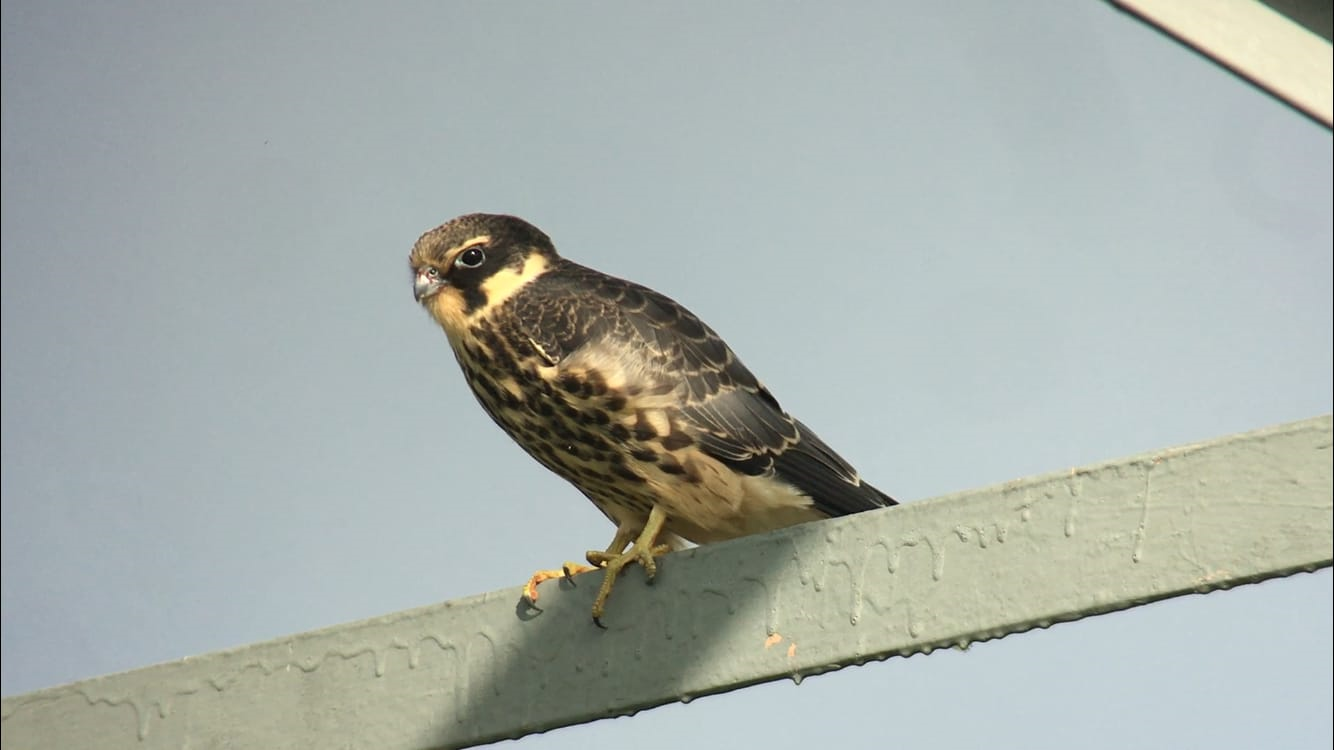
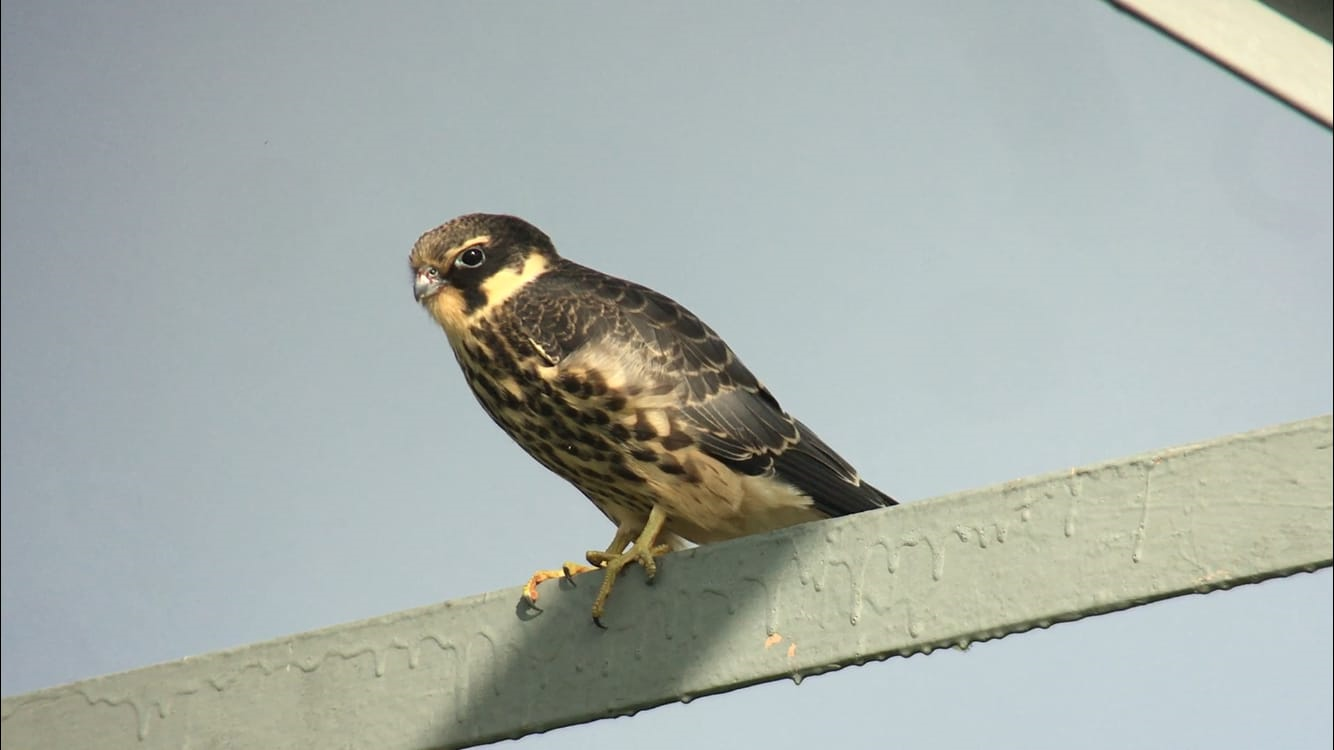
Juveniel boomvalk
Juveniel boomvalk © Jacques van der Ploeg

Een van de belangrijkste uitgangspunten van EnviroCitizen is het concept van ecologisch burgerschap. Daarom was een van de eerste uitdagingen in mijn onderzoek dit concept. Deze term, die geïntroduceerd is door Andrew Dobson[1], richt zich op bepaalde houdingen en gedragingen die van mensen worden verwacht. Ecologische burgers worden bijvoorbeeld verwacht om niet alleen uit eigenbelang milieuvriendelijk gedrag te vertonen, maar ook voor het algemeen belang. Verder zouden ze zich bewust moeten zijn van de impact van hun privégedrag en passen daarom hun levensstijl aan met oog op het milieu. Omdat het moeilijk is om over zo’n theoretisch concept als burgerschap te praten, is het belangrijk om het te vertalen naar concretere termen. .. Daarbij moest ik een manier bedenken om met vogelaars hierover te praten.

Hierdoor zijn we bij de term ‘zorg’ uitgekomen. Zorg kan gebruikt worden op twee manieren; zorgen maken om en zorgen voor[2]. De houdingen van ecologisch burgerschap kunnen vertaald worden naar ‘zorgen maken om’. Een vogelaar kan zich zorgen maken om zijn of haar eigen belangen, maar ook over het welzijn van vogels, het lokale landschap en het klimaat. De acties die deze vogelaar aan de hand van deze zorgen onderneemt kunnen dan worden vertaald naar ‘zorgen voor’. Deze stap mondde uit in interviewvragen als: ‘Merk je wel eens verschillen in het welzijn van de vogels’ ‘Maak je je wel eens zorgen over deze verschillen?’ ‘Wat doet u met deze zorgen?’

Uit deze vragen kwamen diverse verhalen voort, waar verschillende interessante onderwerpen uitsprongen. Vogelaars legden ten eerste uit dat het zien van verschillen in de vogelstand erg moeilijk is voor een individuele vogelaar. Daarentegen drukten alle vogelaars uit dat ze zich zorgen maken over vogels, vooral door de dingen die zij over vogels lezen. Sommige vogelaars bleken qua vogelkennis niet onder te doen voor menig expert. Zo kon de vogelaar die bovenstaande foto maakte, uitgebreide verhalen vertellen over elke roofvogelsoort die in Nederland voorkomt. Voor de meeste vogelaars zijn hun zorgen gekoppeld aan zorgen over natuur in het algemeen. Deze zorgen voor natuur worden op diverse manieren geuit, van het eten van minder vlees tot het geven van workshops bij basisscholen. Ook worden vogelwerkgroepen vaak genoemd als een manier om voor vogels te zorgen, bijvoorbeeld door samen beleid te beïnvloeden. Daarmee toonden de vogelaars in mijn onderzoek zowel zorgen om als zorgen voor natuur breder dan alleen vogels.

Het gebruik van de term ‘zorg’ bleek een goede manier te zijn om met ecologisch burgerschap aan de slag te gaan. De term resoneerde goed met vogelaars. Tijdens het bespreken van zorgen over vogels vloeide het gesprek bijna altijd vanzelf naar het bespreken van zorgen over natuur in bredere zin. Ook voelden de vogelaars zich op hun gemak om te praten over de link tussen vogels en zorg, zelf als ik vroeg naar hun eigen milieubewuste gedrag. Daarom beveel ik het concept zorg aan voor iedereen die een gesprek wilt starten over ecologisch burgerschap, van onderzoekers tot beleidsmakers tot journalisten. Ik kan het praten over zorg ook zeker aanbevelen de volgende keer dat je in gesprek bent met je medevogelaars.


[1] Dobson, A. 2003. Citizenship and the Environment. New York: Oxford University Press.

[2] Buch, E.D. 2015. “Anthropology of Aging and Care.” Annual Review of Anthropology 44:277-293.

Talking about care with birding volunteers

by Lieselot Vroom, Masters Student, Radboud Universiteit

Klik hier voor de Nederlandse versie

“Being outdoors, to walk and [to find] beautiful plants and butterflies and birds which apparently have found a place that is still intact. To experience that, I would find it a sin if that will shrink and impoverish even more”

The quote above came from a Dutch birder I spoke to, and expresses what EnviroCitizen is all about: ornithological citizen science is not just about collecting data, but a way for birders to be connected to nature and cherish birds. The EnviroCitizen project has recently started its second phase: studying current birding activities using ethnographic methods. In the past months, I have helped the Dutch team explore these methods and the theory of environmental citizenship as part of my Research Master Social and Cultural Science. I carried out an explorative research project involving online interviews with Dutch birders.

A Eurasian Hobby sits on a metal strut
Juvenile Eurasian Hobby © Jacques van der Ploeg

One of the key foci of EnviroCitizen is the concept of environmental citizenship. Therefore, one of the first challenges I had to tackle was the term environmental citizenship. This term, first used by Andrew Dobson[1], points our attention towards both certain anticipated attitudes and behaviour. For example, environmental citizens are expected to perform pro-environmental behaviour not only out of self-interest, but also out of an interest for the common good. Furthermore, they should be are aware of the impact of their private behaviour and therefore change their lifestyle in favour of the environment. As it is difficult to talk about such a theoretical concept as citizenship, it is important to translate it into terms suited for a conversation. Therefore, I had to make these broad notions more concrete and figure out how I could talk about this with the birders participating in my research.

This is why we arrived at the notion of care. Care can be expressed in two ways: to care about and to care for[2]. The attitudes of environmental citizenship can be translated into ‘care about’. A birder can care about their own interests, but also about the wellbeing of birds, their local landscape and the global environment. The actions this birder takes on the basis of these concerns are in turn translated into ‘care for’. This resulted into interview questions such as: ‘Do you see differences in the wellbeing of birds?’ ‘Do these differences result into a care for these birds?’ and ‘Do you undertake certain actions because of this care?’

These questions resulted in diverse stories, from which several interesting topics jumped out. First of all, birders explained that seeing differences in the wellbeing of birds is very difficult for an individual birder. However, they all confirmed that they are concerned about birds, mainly cultivated by reading articles on bird populations and protection. Some birders proved to possess bird knowledge comparable with ornithological experts. For example, the birder who took the photo above could tell extensive stories about every bird of prey species that occurs in the Netherlands. For almost all birders their concern is in turn connected to care about nature in a broad sense. For example, they are concerned about nature policies that try to manage wild nature too much. Furthermore, these birders act on their concerns as well. This care for nature is expressed in diverse ways, from eating less meat to giving workshops at primary schools. Furthermore, the birding groups are often times mentioned as a way to care for birds, for instance by influencing policies together.  All in all, the birders in my research showed both a care about and a care for nature beyond birds alone.

The concept of care proved to be a useful manner of working with the concept of environmental citizenship, one that resonated well with birders. When discussing care about birds, the conversation almost always flowed naturally into the topic of care about nature in a broad sense. Furthermore, the birders I interviewed felt at ease to discuss the link between birding and care, even when asked about their own pro-environmental behaviour. Therefore, I recommend the concept of care to be used by everyone who wants to start a conversation about environmental citizenship, from researchers to policy makers to journalists. I would suggest asking about care also when talking to your fellow birders.


[1] Dobson, A. 2003. Citizenship and the Environment. New York: Oxford University Press.

[2] Buch, E.D. 2015. “Anthropology of Aging and Care.” Annual Review of Anthropology 44:277-293.

The Good, the Bad and the Ugly: Why Do We Like Some Birds and Dislike Others?

By Dr Stefan Dorondel, New Europe College

I have always wondered why people like some birds and hate, or at least are indifferent to, others. Some reasons may have to do with the color of the birds and their song.[1] The canary (Serinus canaria domestica) for instance is brightly colored and sings nicely. Other birds such as crows (Corbus frugilegus) are black – the color of death and mourning in all European cultures – and thus remind us of unpleasant things and moments of life. Yet, there are birds which are not particularly colorful nor perform songs which are still carefully protected by people. This is the case of the stork (Ciconia ciconia). A comparison between crows and storks and the way they are treated in Romania would show incredibly differentiated human treatment.

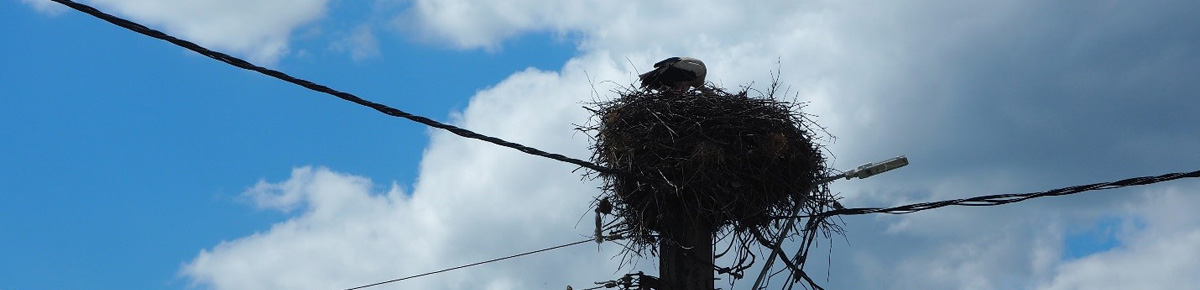
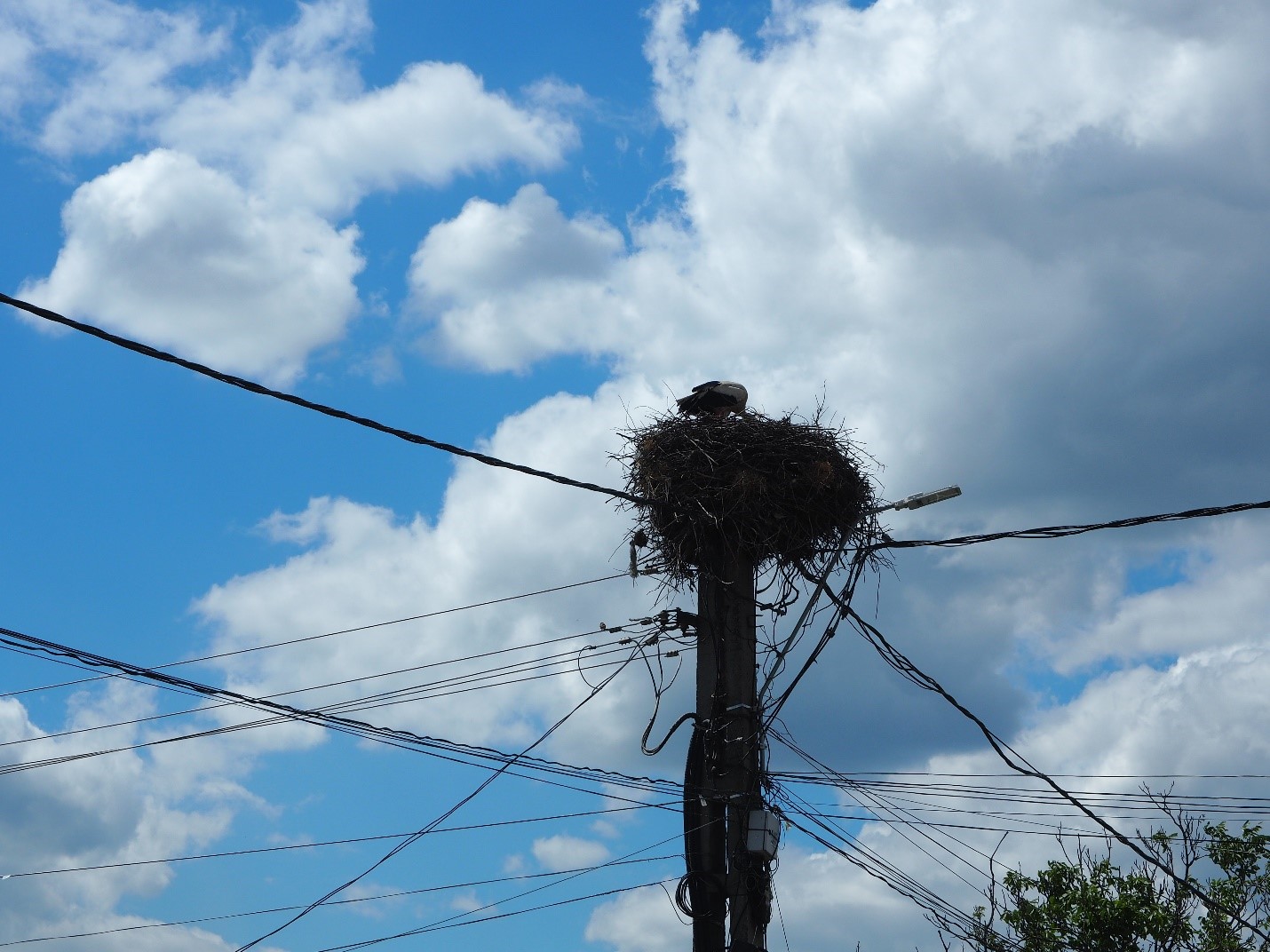
A stork nest in IC Brătianu village (Tulcea County, Romania). 20th of May 2021. Photo by Stefan Dorondel

In the early 1990s, when I was a student in a Transylvanian town, the local Association of Hunters and Fishermen posted an announcement: on certain days in the central parks of the town the hunters were going to shoot the crows. The administration considered that their numbers were way too high and created issues in the town parks. Hunters were paid for each killed bird. Along the same lines, other cities display a similarly negative attitude towards crows. The inhabitants of one of the largest Romanian cities called Timişoara constantly joke about the name of the city. Because the homophony of the Romanian word for crow (cioară) and the termination of the city’s name people would call the city “Timicioara” in order to flag up the high number of crows in the city’s parks. This irony pinpoints negative feelings towards this bird.

Such negative associations have a long history in Romania. For five hundred years the name of this bird was attributed to enslaved Roma people reflecting the despised and marginalized place they occupied (and continue to occupy) in Romanian society.[2] This is the equivalent of the “n” word in English used by Whites until quite recently for Afro-American people. In the Romanian social imagination the crow plays a negative role: it is portrayed as stealing seeds from agricultural fields.[3] Nothing could be worse for an agricultural population. Hence its bad reputation.

Storks are animals that occupy a perfect opposite role in the Romanian imagination. Despite not being particularly beautiful, storks are prized throughout Romania. People take care of their nests and it is no wonder that the first citizen science project unfolded by the Romanian Ornithological Society was the census of storks. There are multiple popular beliefs concerning the stork – all of them positive. These birds are considered to bring good luck to the household where they nest. Their arrival announces spring. Storks are associated with the coming of human babies – “a aduce barza” (brought by the stork in Romanian) is similar to “being born” in Romanian. This association may be due to their migratory behavior and also to the fact that they seem to return to the same nest every year.[4] They are considered almost like members of a family.[5] Albeit a family member that may cause small problems such as dropping small snakes and frogs from their beak when they feed their babies. I remember these stories from my mother who grew up in a village close to the Danube Delta. The small “gifts” they would constantly receive – snakes, frogs, insects – from the winged members of the family living on the roof of the house were not particularly pleasant. Yet no one would have dared to destroy the nests. This situation continues until today. There are many nests, especially in the villages along the Danube (see photo). People enthusiastically attend their census according to the Romanian Ornithological Society. These birds are obviously liked by humans.

Two different birds – neither of them particularly colorful or good singers – yet with such a different place in the social imagination. There must be many explanations for the radically opposite treatment they are subjected to but none linked to esthetics. It is the way these birds were perceived through the centuries, the things they were associated with, which make them be perceived as good or bad rather than their own physical appearances.


[1] See for instance Nancy Jacob, Birders of Africa. History of a Network, New Haven and London, 2016.

[2] See for instance Radu Rosetti, Amintiri. Ce am auzit de la alţi. Din copilarie. Din prima tinereţe [Memoirs. What I have heard from the Others. My Childhood. My Youth]. Humanitas, Bucureşti, 2013 [1925].

[3] Mihai Coman, Bestiarul mitologic românesc [The Romanian Mythological Bestiary], Bucureşti, Editura Fundaţiei Culturale Române, 1996.

[4] For similar beliefs in other cultures see Jean Chevalier and Alan Gheerbrant, Dicţionar de simboluri [Dictionary of Symbols]. Vol. 1 (A-D). Bucureşti, Artemis, 1994 (1969 for the French Edition), p. 181.

[5] Idem, pp. 100-104 for more popular beliefs about storks.

The Art of EnviroCitizen

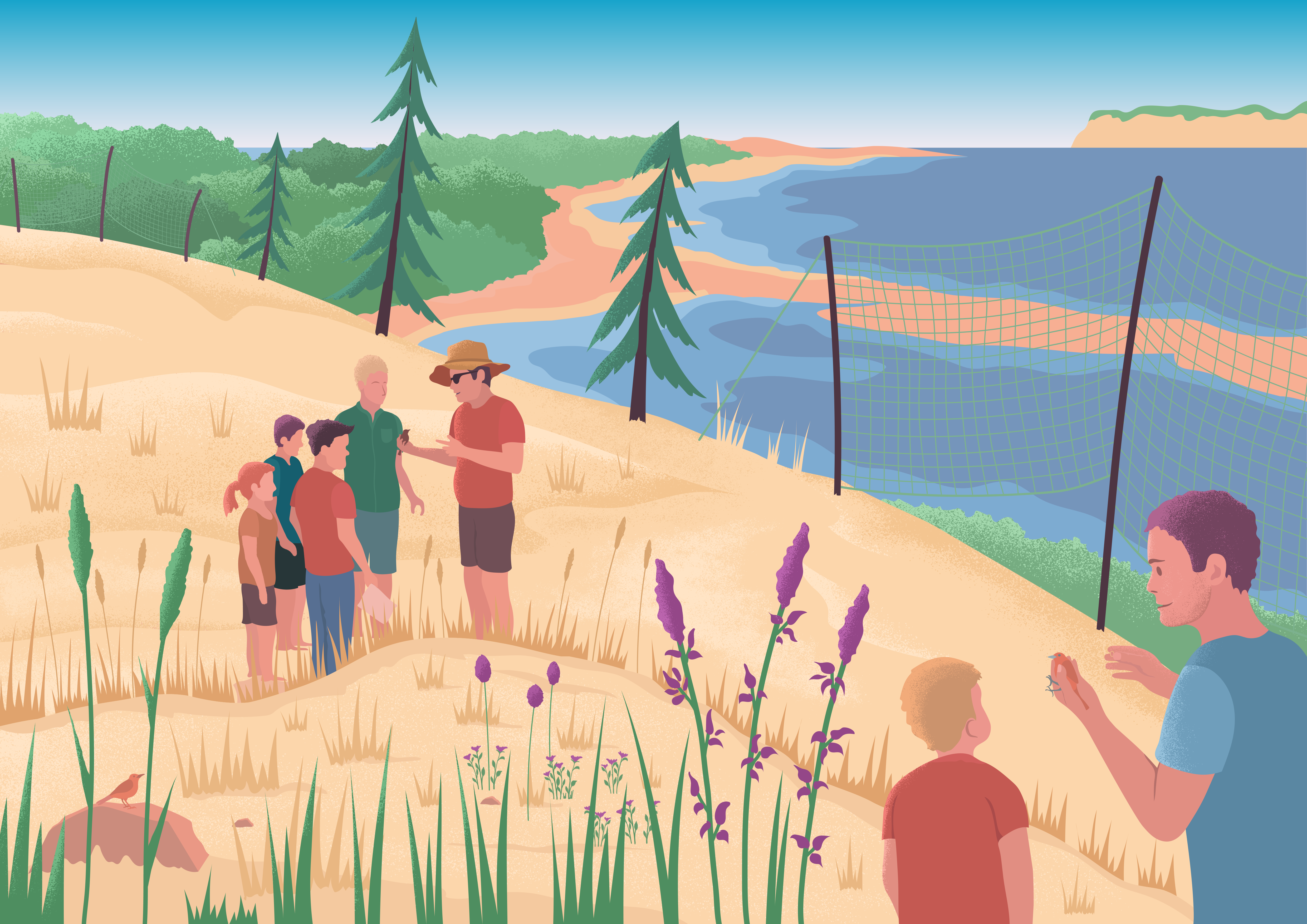
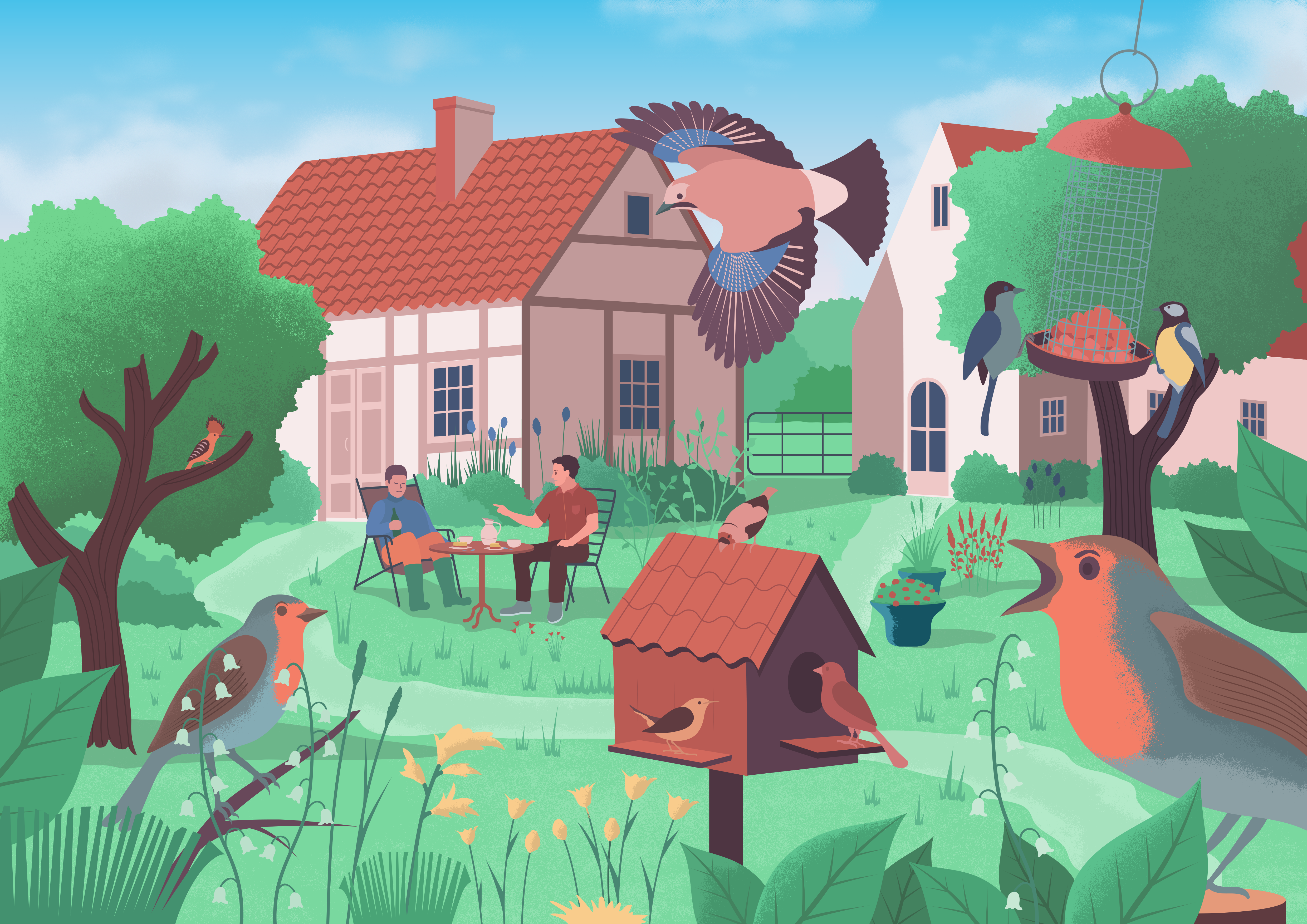
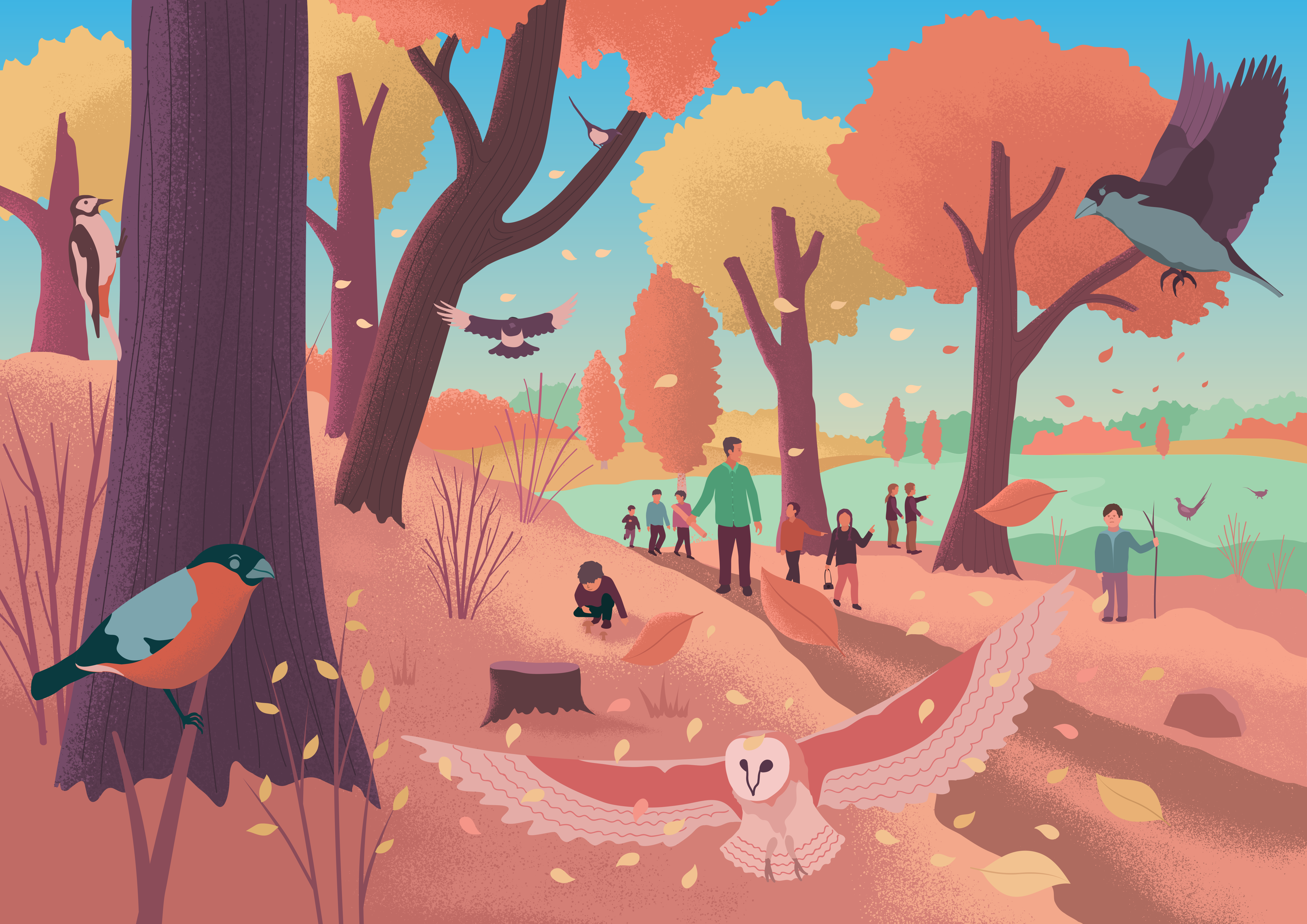
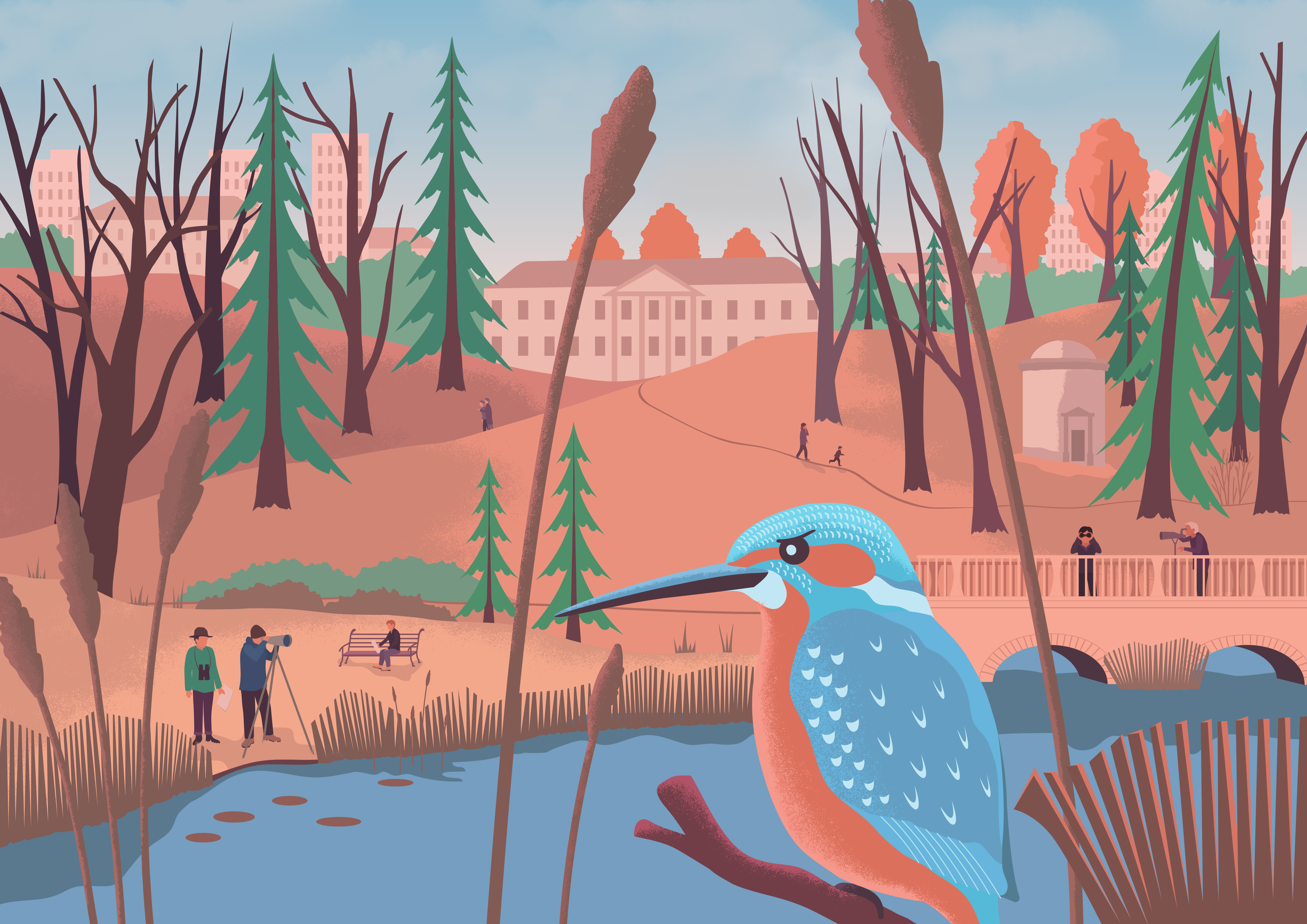
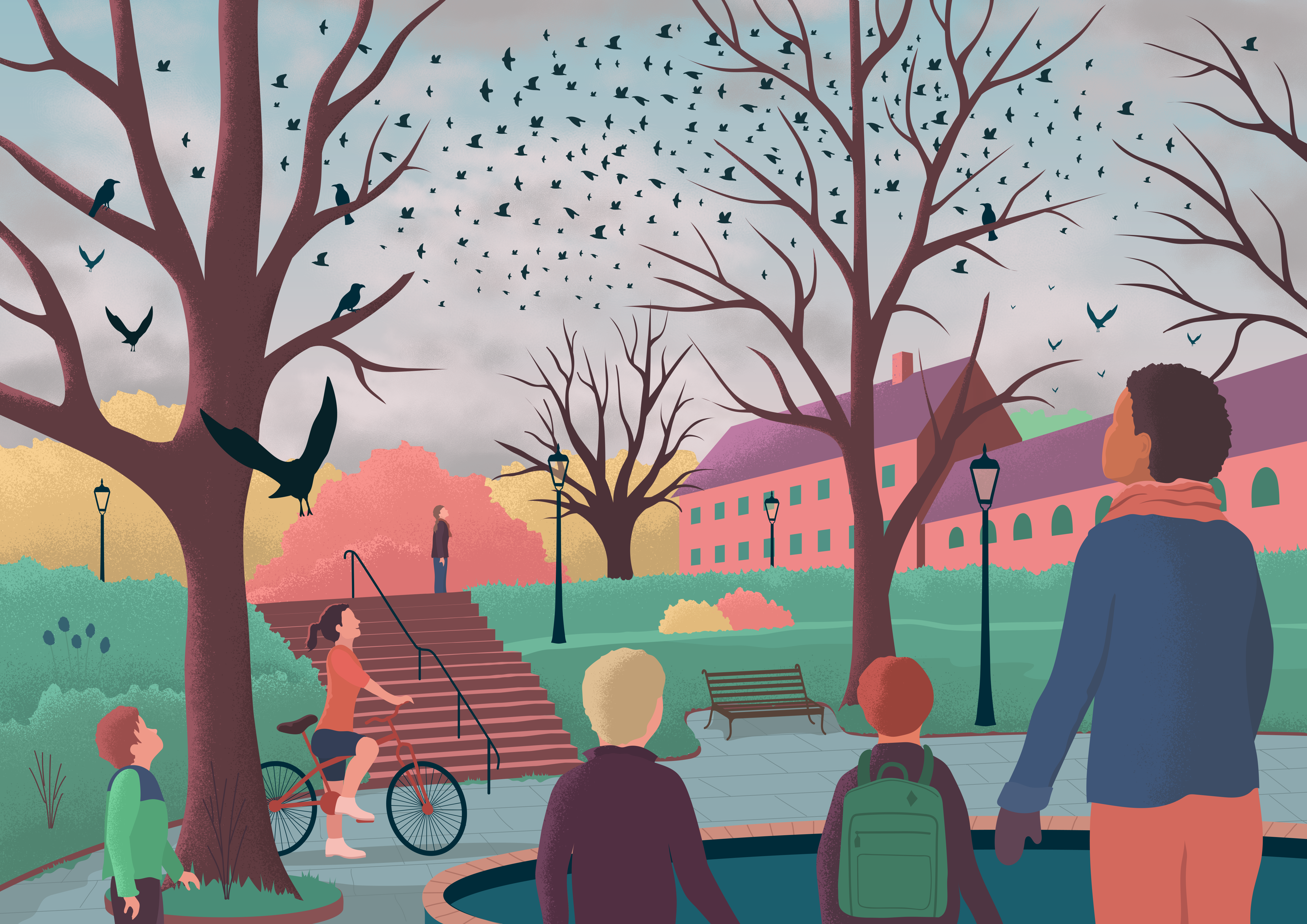
The EnviroCitizen project has commissioned artworks by Jacek Matysiak. Jacek is a freelance illustrator who specialises in digital illustration with wilderness and nature themes. Our logo and main banner image are both by him. Alongside these, he has produced several other images that will be used to illustrate elements of the project. These are presented below and show a variety of circumstances where people can engage with nature, from bird ringing to just being in nature and enjoying it.

(c) Jacek Matysiak

How birds of the world get their Estonian names

By Dr Elle-Mari Talivee, Under and Tuglas Literature Centre of the Estonian Academy of Sciences

Eestikeelse postituse lugemiseks vajuta siia

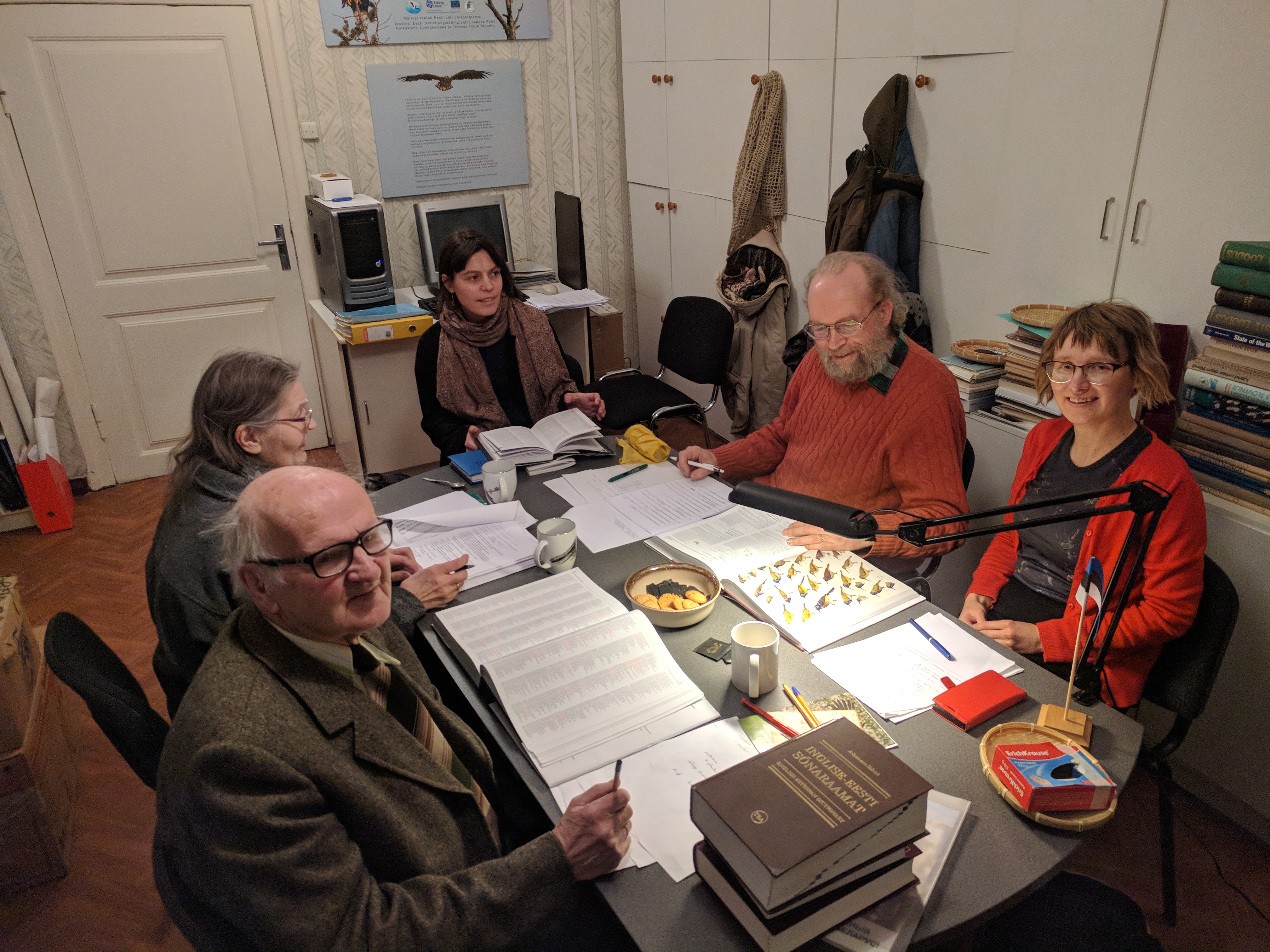
In the newly established republic of Estonia in 1918 among immense political and societal reformation arose the idea of naming birds in Estonian. The plan stopped for two years, however, due to the War of Independence. It was not until 1921 when the idea was reborn (the Estonian Ornithological Society was founded then as well!). A committee to develop terminology in Estonian was established and a mere year later, in 1922, they had already published Nomenclator avium Estiae – a landmark work with bird names in Estonian. However, although this booklet gave names to local birds, the naming of foreign birds all over the world is still ongoing even today. In 1991, a special committee for naming birds, the Estonian Bird Names Committee, was established for that purpose.

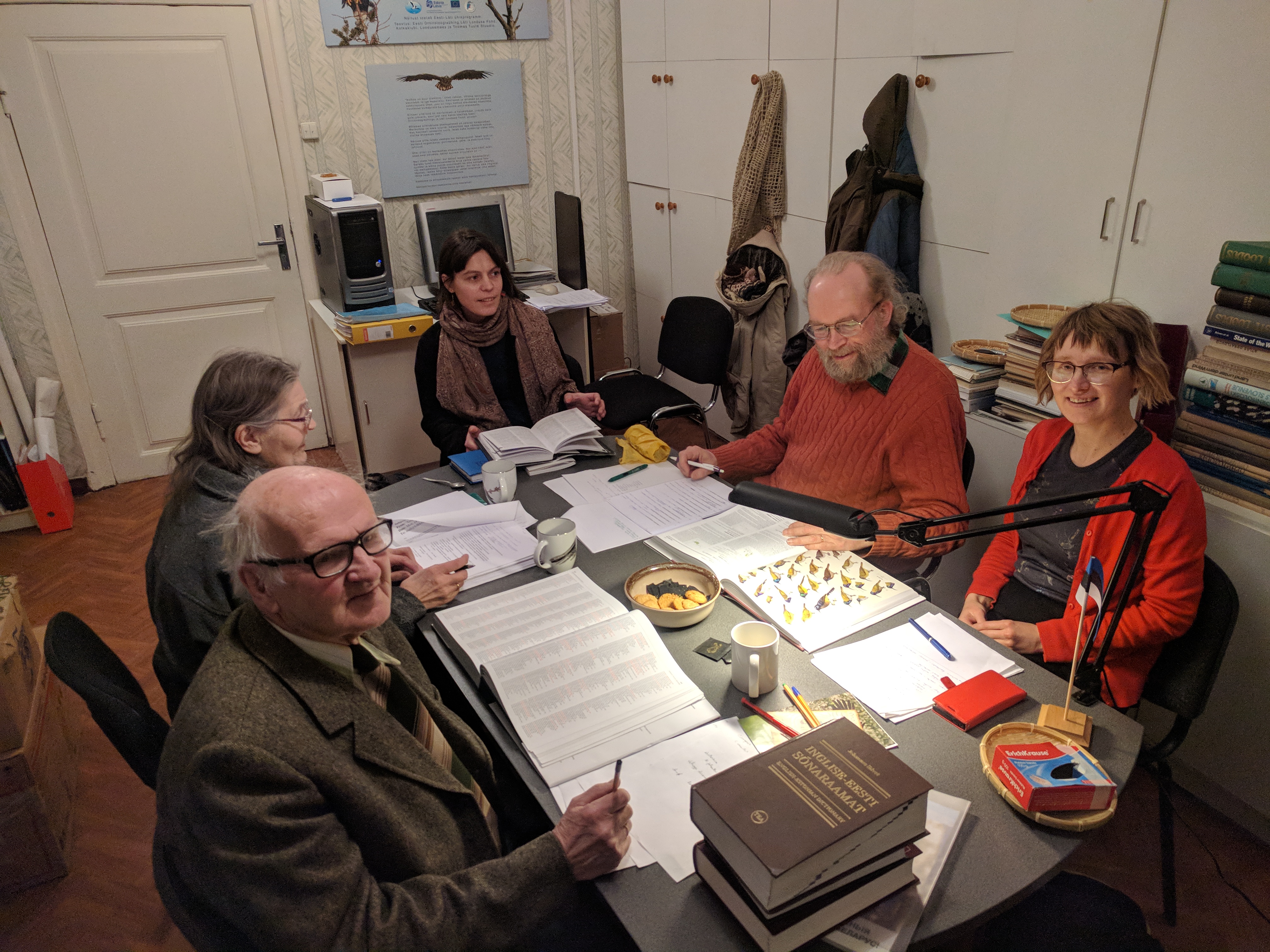
Meeting of the Bird Naming’s committee in January 2019. From left to right: ornithologist
Olav Renno, Mall Hiiemäe, Liis Keerberg, Eerik Leibak, Elle-Mari Talivee

I have been a member of this committee for ten years now and, based on my experience, I can say that it is a rather exciting challenge. The purpose of this committee is to give each of the 11000 bird species in the world an Estonian name. Two-thirds of them already have them by now – have a look at our database: Estonian names for birds of the world.

Members of the committee have different backgrounds but are all united by an interest in birdwatching. It’s run by Eerik Leibak from The Estonian Fund for Nature, one of the restorers of the Estonian Ornithological Society/BirdLife Estonia in 1991 (when the Estonian Republic was restored). Liis Keerberg is an environmental lawyer and works for the Estonian Fund for Nature. Mihkel Metslaid is an editor of Estonian. Mall Hiiemäe, one of the long-time members, is a folklorist, who has been researching birds in folk religion. I am personally interested in birds in literature. Before the coronavirus pandemic started, BirdLife Estonia held meetings in its office in Karl Ernst von Baer House in Tartu, where we would choose between different names that were proposed earlier by Eerik, argue about how they sounded linguistically, had a look at the photos, compared the names in different languages, and, of course, listened to bird sounds. Since then, we have had to replace the meetings with emails. By the way, translating the names directly from English, German or Spanish is often not a solution, because they are sometimes given by explorers who often drew inspiration from similar local birds in their homeland, while similarities or relations between them are mostly missing.

But why would we need to translate the common names to Estonian? After all, the bird species already have Latin names. Yet, it is not uncommon for the committee to receive requests: for example, there will be a nature documentary on television, and some of the species from Tasmania or a South American jungle would need a name, or an editor of some translated book is sometimes rather surprised to find out that a certain species does not yet have an Estonian name in the database. There must be a chance to reflect everything in the world in one´s mother tongue – this also helps to keep the language alive in the globalising world.

Kuidas linnud omale eestikeelsed nimed saavad

Elle-Mari Talivee, Eesti Teaduste Akadeemia Underi ja Tuglase Kirjanduskeskuse vanemteadur, PhD

Click here to read in English

1918. aastal, kui oli sündinud Eesti Vabariik, alustati muuhulgas ka eestikeelsete linnunimede korrastamisega. Alanud Vabadussõja tõttu tegevus mõneks ajaks katkes, ent sai uue hoo sisse Tartu Ülikooli juurde 1921. aastal loodud eestikeelsete oskussõnade loomise komisjonis. Samal aastal asutati Eesti Ornitoloogiaühing. 1922 ilmus esimene terviklik Eesti lindude nimestik Nomenclator avium Estiae. Kuigi kohalikud linnud põhijoontes siis nimed said, kestab võõramaiste lindude nimetamine siiani. 1991. aastast töötab Eesti Ornitoloogiaühingu juures eraldi ka Eesti linnunimetuste komisjon.

Linnunimetuste komisjoni koosolek 2019. aasta jaanuaris. Vasakult: ornitoloog Olav Renno, Mall Hiiemäe, Liis Keerberg, Eerik Leibak, Elle-Mari Talivee.
Foto: Veljo Volke

Olen nüüd päris mitu aastat olnud selle komisjoni liige ja võin öelda, et see on igati põnev väljakutse. Eesmärgiks on anda maailma 11 000 linnuliigile ametlikud eestikeelsed nimed. Maailma linnunimetuste andmebaasis on eestikeelne nimetus praeguseks olemas umbes kahel kolmandikul tiivulistest.

Kuidas töö käib? Komisjoni on kokku toodud linnuhuvilised erinevatelt elualadelt. Seda juhib kindla käega Eerik Leibak Eestimaa Looduse Fondist, üks ornitoloogiaühingu taastajaid 1991. aastal. Tema valmistab ette ka võimalikud nimevalikud. Liis Keerberg on keskkonnajurist ja töötab samuti Eestimaa Looduse Fondis. Mihkel Metslaid on keeletoimetaja. Komisjoni kauaaegne liige on folklorist Mall Hiiemäe, kes on uurinud linde rahvausundis. Mind ennast aga huvitab väga lindude kujutamine ilukirjanduses. Koroona-eelsel ajal toimusid Tartus ornitoloogiaühingu kontoris Karl Ernst von Baeri majas koosolekud, kus ettevalmistatud nimevariantide vahel valides vaatasime pilte, kuulasime linnuhääli ning vaidlesime nimevariantide keelelise kõla ja sõnatähenduste variatsioonide üle. Nüüd on koosolekud paratamatult e-kirjadesse ümber kolinud.

Milleks sellist tegevust vaja on, võiks küsida, kui kaugetele võõramaa lindudele antud nimesid kasutab keegi võibolla haruharva ja ladinakeelne nimi on ju liigil olemas? Üpris sageli seisab komisjon aga kiire tellimustöö ees: näiteks on telerisse tulemas eestikeelsete subtiitritega loodusfilm, kus näiteks mõned maailma kuklapoole liigid vajavad nime, või küsib mõne ilukirjandusliku tõlke toimetaja ehmunult: kuidas nii, aga andmebaasis ei olegi sel liigil veel nime? Maailm on ju nii avaraks muutunud. Muide, ingliskeelse nime tõlkimisega pääseb haruharva: need on sageli maadeuurija poolt mõnd kodumaa liiki meenutades antud ja ei seostu linnuga muidu kui mõnest välimusega seotud kriteeriumist lähtudes. Muidugi on vaja emakeelset terminoloogiat – see aitab omakorda ju keelt elavana ja kasutuses hoida.

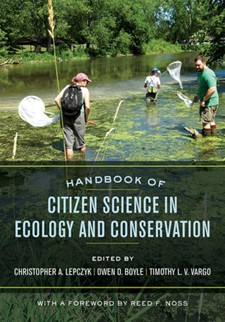
Reading List: Handbook of Citizen Science in Ecology and Conservation

The reading list is an intermittent series of book recommendations from our team. Dr Michalis A. Vasiliades of CYCERE offers the first in this series.

This is the first edition of an academic book from 2020 which provides up-to-date information and guidelines from experienced scientists. It should be of use throughout the whole duration of a citizen science initiative in ecology and conservation. Topics covered range from management (design, implementation, evaluation) to recommendations on decision and policy making. 

Both stakeholders and scientists will benefit from this handbook which will guide them the use of best practice in the creation of a citizen science initiative, which will not only contribute and promote science but also equip participants with knowledge (via considering their motivations, benefits, goals, and constraints) and thus engage a broad audience in citizen science while simultaneously ensuring data quality.

Summary:

Handbook of Citizen Science in Ecology and Conservation is the first practical and comprehensive manual for creating, implementing, or improving natural science research and monitoring projects that involve collaboration between scientists and the general public. As citizen science projects become increasingly common, project leaders are seeking information on concrete best practice for planning and implementing projects —practices that allow them to guide and gauge success, while also ensuring the collection of high-quality data and rewarding experiences for volunteers. In this handbook, citizen science practitioners from around the world and with decades of experience provide step-by-step instructions, insights, and advice. They explore real-world applications through case studies from a variety of citizen science projects. This is the definitive reference guide for anyone interested in starting or improving a citizen science project with ecological or conservation applications, from professors and graduate students to agency staff and non-governmental organizations.

Green Volunteers in the Spotlight

Understanding action for nature through studying citizen scientists and other nature volunteers

By Wessel Ganzevoort, Postdoctoral Researcher at the Centre Connecting Humans and Nature, Institute for Science in Society, Radboud University

Klik hier voor de Nederlandse versie

Considering everything going on in the world right now, we should not forget to celebrate our achievements. This autumn, much-needed glad tidings came my way when I received the news that my PhD thesis has been approved. I have enjoyed working on it immensely, but I readily admit that I am also relieved that it is done. It should come as no surprise that writing a thesis is a lot of work.

(c) Jacek Matysiak

As the title of my thesis (and this blog post) indicates, my work focuses on green volunteers. It reports a series of survey studies among Dutch green volunteers, including biodiversity citizen scientists, conservation volunteers and volunteers involved in policy or education. Since the work I conducted over the past years connects well to the aims of EnviroCitizen, here I want to briefly highlight three main lessons for the project.

The starting point of my research was that literature on biodiversity research and conservation tends to take volunteers’ current and continued involvement as a given. Who these people are, what they do, and why they do so is not commonly investigated. The title of my thesis illustrates my aim to put this dimension front and centre. Not only was I interested in the profile, motivations and experiences of these volunteers, I also wanted to get an idea of how green volunteering relates to volunteers’ broader connection to and action for nature.

I would like to highlight three important take-home messages based on these studies.

Motivations for green volunteer work are incredibly diverse: wanting to make a meaningful contribution to conservation, emotional ties to a landscape, social bonding, and personal learning all play a role. Volunteers also likely have multiple motivations, and key motivations may change over time. However, a main lesson from the data I collected is that the respondents overwhelmingly selected nature-related motivations as those most important to them. Especially a personal connection to nature and the desire to contribute to nature conservation were often highlighted. This pattern was remarkably stable for different types of green volunteer work.

Secondly, if we zoom in on biodiversity citizen science, much discussion on this topic focuses on the data collected by volunteers, and especially the quality of these data. On the one hand, accuracy of observations is definitely important for biodiversity citizen scientists, linked to learning as an important motivation for them[1]. On the other hand, it is important to realise that citizen science for volunteers tends to be about much more than data. Our respondents’ descriptions of their most significant nature experiences highlighted how much they cherished a personal sense of discovery; not necessarily rare or remarkable species, but observations that were new to them. Studies have also shown how biodiversity citizen science can affect one’s personal life, e.g. through adopting different gardening practices[2]. It is therefore important to look at data collected by citizen scientists with a broader perspective than just quality. For instance, have you ever asked (fellow) birders how they perceive the importance of their data, to themselves and to others, and how they think about the responsibly of the organisation to which they submit their data[3]? My thesis suggests these to be highly relevant questions.

Finally, while the above findings suggest great potential of green volunteer work to inspire people and bring them (back) in touch with nature, we must also not be too quick to declare it some sort of universal remedy to the increasing disconnect between humans and nature. Specifically, across our studies we found our respondents to be somewhat older and very highly educated. Volunteers themselves were also concerned about the perceived lack of younger volunteers. If we have the ambition to further build on the potential of citizen science, the question who does not participate, and why not, should be at the forefront of our minds.

Some of the questions raised by my thesis are thus of great relevance to EnviroCitizen as well. After all, the project foregrounds diversity and inclusion in biodiversity citizen science, aims to actively engage youths, and gives us the chance to investigate how participants actually work in the field, and what their connection to nature means to them. Both the aims of EnviroCitizen and a growing body of literature (including my thesis) make one thing clear: if you aim to understand citizen science, then you must understand the citizen scientists.


[1] For more on learning as a motivation for biodiversity citizen science, see Bell et al. (2008). What counts? Volunteers and their organisations in the recording and monitoring of biodiversity. Biodiversity and Conservation, 17, 3443-3454.

[2] Deguines et al. (2020). Assessing the emergence of pro-biodiversity practices in citizen scientists of a backyard butterfly survey. Science of the Total Environment, 716, 136842.

[3] Ellis & Waterton (2004). Environmental citizenship in the making: The participation of volunteer naturalists in UK biological recording and biodiversity policy. Science and Public Policy, 31(2), 95-105.

Groene vrijwilligers in de schijnwerpers

Hoe het onderzoeken van citizen scientists en andere natuurvrijwilligers helpt om te begrijpen waarom mensen in actie komen voor natuur

Door Wessel Ganzevoort, Postdoc Onderzoeker bij het Centre Connecting Humans and Nature, Institute for Science in Society, Radboud Universiteit

Click here to read in English

Gezien alles wat er op dit moment gaande is in de wereld moeten we vooral niet vergeten om ook onze successen te vieren. Deze herfst kreeg ik het mooie nieuws te horen dat mijn proefschrift is goedgekeurd. Ik vond het fantastisch om aan te werken, maar ik geef ook eerlijk toe dat ik blij ben dat het af is. Het zal geen verrassing zijn dat het schrijven van een proefschrift een boel werk is.

(c) Jacek Matysiak

Zoals de titel van mijn proefschrift (en deze blogpost) laten zien, is mijn werk gericht op groene vrijwilligers. In mijn proefschrift rapporteer ik een serie enquête-studies onder Nederlandse groene vrijwilligers, inclusief natuurgerichte citizen scientists (tellers), beheervrijwilligers (herstellers) en vrijwilligers gericht op educatie (vertellers) en beleid. Aangezien het werk wat ik de laatste jaar heb gedaan goed past binnen de doelen van EnviroCitizen, leek dit mij een mooie gelegenheid om kort drie belangrijke lessen voor het project naar voren te brengen.

Het vertrekpunt van mijn onderzoek was de observatie dat de literatuur over onderzoek naar en bescherming van biodiversiteit de neiging heeft om de huidige en toekomstige inzet van vrijwilligers als vanzelfsprekend te beschouwen. Wie deze mensen zijn, wat ze doen en waarom, dat blijft vaak buiten de blik van de onderzoeker. De titel van mijn proefschrift benadrukt mijn doel om deze dimensie naar de voorgrond te brengen. Naast dat ik geïnteresseerd was in het profiel, de motivaties en de ervaringen van deze vrijwilligers, wilde ik ook een idee krijgen van het verband tussen het vrijwilligerswerk van mijn respondenten, en hun meer algemene band met, en actie voor, natuur.

Ik zou graag drie belangrijke zaken willen meegeven op basis van deze studies.

Motivaties voor groen vrijwilligerswerk zijn heel divers: een zinvolle bijdrage leveren aan natuurbescherming, een emotionele band met het landschap, sociale binding en zelf meer leren spelen allemaal een rol. Vrijwilligers hebben vaak ook meerdere motivaties, en de meest belangrijke motivaties kunnen over de tijd veranderen. Maar een belangrijke les uit de data die ik heb verzameld is dat de deelnemers aan mijn onderzoek aangaven dat hoofdzakelijk natuur-gerelateerde motivaties voor hen het meest belangrijk waren. Vooral een persoonlijke band met natuur en de wens om bij te dragen aan natuurbescherming kwamen vaak naar voren. Dit patroon was verassend stabiel voor verschillende typen groen vrijwilligerswerk.

Ten tweede, als we even inzoomen op natuurgerichte citizen science valt op dat de huidige discussie hierover vooral gaat over de data die vrijwilligers verzamelen, en dan vooral de kwaliteit daarvan. Aan de ene kant is de nauwkeurigheid van waarnemingen zeker van belang voor natuurwaarnemers, gekoppeld aan leren als belangrijke motivatie[1]. Aan de andere kant is het belangrijk om ons ervan bewust te zijn dat citizen science voor de vrijwilligers over veel meer gaat dan data. Wanneer wij onze deelnemers vroegen naar hun meest bijzondere natuurervaringen viel het op hoe sterk een persoonlijk gevoel van ontdekking terug kwam; dat hoefde niet perse om zeldzame of bijzondere soorten te gaan, maar vooral waarnemingen die op wat voor manier dan ook nieuw waren voor de waarnemer. Studies laten ook zien hoe natuurgerichte citizen science van invloed kan zijn op iemands leven daarbuiten, bijvoorbeeld door anders te gaan tuinieren[2]. Het is dus belangrijk om met een breder perspectief dan kwaliteit te kijken naar de data verzameld door vrijwillige waarnemers. Heb je een (mede)vogelaar bijvoorbeeld wel eens gevraagd hoe zij aankijken tegen het belang van de data die ze verzamelen, voor henzelf en anderen, en wat zij zien als de verantwoordelijkheden van de organisatie aan wie ze die data doorgeven[3]? Mijn proefschrift laat zien dat dit zeer relevante vragen zijn.

Ten slotte, mijn bevindingen hierboven suggereren een enorme potentie van groen vrijwilligerswerk om mensen te inspireren en (terug) in contact te brengen met natuur. Echter, we moeten ook voorzichtig zijn om groen vrijwilligerswerk niet als een soort wondermiddel te zien om de kloof tussen mens en natuur te dichten. In onze studies viel op dat onze respondenten over het geheel genomen van een relatief hoge leeftijd zijn, en een hoog opleidingsniveau hebben. Vrijwilligers gaven zelf ook aan zich zorgen te maken over een ervaren tekort aan jongere vrijwilligers. Als we de ambitie hebben om het potentieel van citizen science verder te versterken, dan moet we ons sterk bewust zijn van wie er niet meedoet, en waarom niet.

Sommige van de vragen die worden opgeroepen door mijn proefschrift zijn daarmee ook zeer relevant voor EnviroCitizen. Dit project stelt diversiteit en inclusie in natuurgerichte citizen science immers centraal, heeft als doel jongeren actief te betrekken, en geeft ons de kans om te onderzoeken hoe deelnemers in het veld daadwerkelijk aan de slag gaan, en wat hun band met natuur nu precies voor hen betekend. Zowel de doelen van EnviroCitizen als een groeiende hoeveelheid literatuur (waaronder mijn proefschrift) maken een ding duidelijk: als je citizen science wil leren begrijpen, moet je zeker ook begrip hebben voor de citizen scientists.


[1] Voor meer over leren als motivatie voor natuurgerichte citizen science, zie Bell et al. (2008). What counts? Volunteers and their organisations in the recording and monitoring of biodiversity. Biodiversity and Conservation, 17, 3443-3454.

[2] Deguines et al. (2020). Assessing the emergence of pro-biodiversity practices in citizen scientists of a backyard butterfly survey. Science of the Total Environment, 716, 136842.

[3] Ellis & Waterton (2004). Environmental citizenship in the making: The participation of volunteer naturalists in UK biological recording and biodiversity policy. Science and Public Policy, 31(2), 95-105.